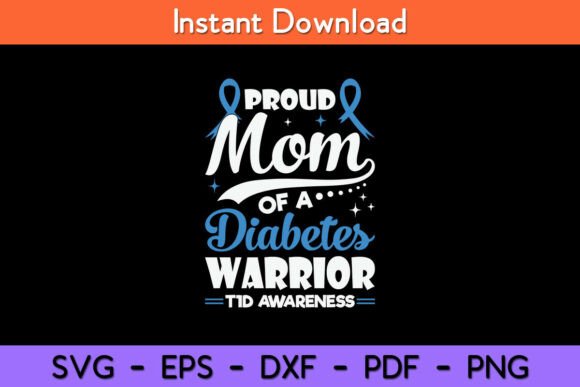
Proud Mom of a Diabetes Warrior T1D: A Designer’s Honest Review
First Impressions: Emotional, Bold, and Thoughtfully Designed
The first time I opened the Proud Mom of a Diabetes Warrior T1D design file, I was struck by its emotional resonance and clean visual hierarchy. It’s a design that immediately communicates pride, strength, and love. The layout is balanced, with bold lettering that commands attention while still maintaining a warm, personal feel. The use of T1D iconography—like the medical symbol or glucose meter motif—adds a subtle but meaningful touch that speaks directly to the intended audience.
As a designer who frequently works with custom embroidery for clients, this design feels like it was made for a specific purpose: to honor and celebrate a parent’s journey raising a child with Type 1 Diabetes. It’s not just a graphic; it’s a message.
Real-Life Use: From Sweatshirts to Boutique Totes
I recently used the Proud Mom of a Diabetes Warrior T1D design on a custom embroidered sweatshirt for a client whose son was diagnosed last year. The result was powerful—visually clean, emotionally resonant, and well-executed in terms of stitch clarity. The satin and fill stitches held up beautifully on fleece fabric, and the lettering remained legible even after light washing.
It also works well on tote bags and aprons—especially when used as a center chest or pocket accent. For Etsy sellers and small shop owners, this design could easily become a staple in a niche line of awareness-themed merchandise. I could see it used on baby onesies too, though I’d recommend simplifying the text slightly for the smallest sizes.
Stitching Performance: Clarity and Legibility Matter
One of the most important aspects of any embroidery design is how it stitches out in real life. With Proud Mom of a Diabetes Warrior T1D, I found that the stitch density was well-balanced—dense enough to give the design weight, but not so dense that it risked puckering on lighter fabrics. The satin borders held their shape well, and the fill stitches didn’t bleed or distort, even on a slightly stretchy cotton blend.
That said, I’d advise caution when using it on very thin or stretchy materials. A medium-weight stabilizer is definitely recommended, especially if you're embroidering on a curved surface like a cap or a baby bodysuit. Also, if you're using dark thread on a dark background, test the contrast on a scrap piece first to ensure legibility.
Where to Use It Carefully
- Small hoop sizes: This design has enough detail that shrinking it down too much could compromise the text clarity.
- Textured or napped fabrics: Fleece and minky are beautiful, but they can swallow fine details. Test on a sample swatch.
- Dark fabric backgrounds: Some of the lighter thread colors may not pop as expected. Consider swapping thread shades if needed.
- Curved surfaces: Caps and baby hats are stylish, but they require extra stabilizer and careful hooping to prevent distortion.
- High-wear items: If you're using this on a kitchen towel or a frequently washed item, reinforce the back with a tear-away stabilizer.
Design Impact: Emotional Connection and Brand Value
What makes the Proud Mom of a Diabetes Warrior T1D design stand out isn’t just its technical quality—it’s the emotional connection it creates. For a small business owner or Etsy seller, that’s gold. This design doesn’t just look good—it tells a story. That kind of narrative appeal increases the perceived value of your finished product and helps build trust with your audience.
When used on boutique items like embroidered baby blankets or awareness-themed tote bags, it adds a professional touch that elevates the handmade look. It also works well in digital product previews—especially if you’re selling SVG files or embroidery kits online. A well-stitched sample can serve as a strong visual asset for your listings.
Practical Notes for Embroidery Designers
Here are a few practical tips I picked up while working with the Proud Mom of a Diabetes Warrior T1D design:
- Test on scrap fabric first. Especially if you’re using it on a new material or adjusting the size.
- Check thread color contrast. Don’t assume the default colors will work on every fabric. Swap if needed.
- Review stitch density. If you’re scaling the design up or down, adjust density to avoid puckering or gaps.
- Confirm hoop size compatibility. Make sure your machine can accommodate the design as-is or resized.
- Inspect small details. Tiny lettering and small graphics can get lost in stitching—zoom in before finalizing.
- Test in black and white mockups. Helps visualize how it will look on different fabric colors.
- Use proper stabilizer. Especially important for stretchy or textured fabrics.
- Check licensing. Before selling any finished item or digital product, make sure the design allows for commercial use.
Final Thoughts: A Meaningful Addition to Your Design Kit
Overall, the Proud Mom of a Diabetes Warrior T1D design is a strong, emotionally grounded embroidery file that works well across a range of real-world applications. Whether you're creating personalized gifts, boutique items, or awareness-themed merchandise, this design has the visual strength and technical clarity to make your finished product shine.
As a designer, I appreciate when a design does more than just look good—it tells a story, connects with the wearer, and enhances the handmade appeal of the item. This one does all three, and that’s what makes it worth adding to your embroidery project toolkit.